Introduction
In the world of health care, effective nourishment is essential for person recovery. One considerable method used to make certain sufficient dietary consumption is enteral feeding. This write-up delves deep right into "The Function of Enteral Feeding in Individual Recuperation: A Program Overview," exploring its value, methods, and the training offered to health care professionals associated with this procedure.
Enteral feeding refers to the shipment of nutrients straight into the gastrointestinal system via a tube. It is generally made use of when clients can not take in food by mouth because of various medical conditions, such as neurological conditions, cancers cells, or extreme injuries. Comprehending enteral feeding's function in person recuperation is essential for healthcare providers, including registered nurses and assistance employees that involve with people requiring this form of nutrition.
This detailed overview will certainly additionally review relevant training programs available for experts looking for to enhance their abilities in enteral feeding practices. With key words like "ndis peg feeding training," "enteral feeding support course," and "peg training for nurses" peppered throughout, we intend to give a comprehensive understanding of the field while ensuring access for all readers.
The Function of Enteral Feeding in Patient Healing: A Training Course Overview
What is Enteral Feeding?
Enteral feeding entails delivering nutrients straight into the digestion system with a tube when oral intake is insufficient or difficult. This approach can be life-saving for people struggling with conditions that impair swallowing or food digestion.
- Types of Enteral Feeding: Nasogastric (NG) Tube: Put via the nose right into the stomach. Orogastric Tube: Inserted through the mouth right into the stomach. Percutaneous Endoscopic Gastrostomy (PEG) Tube: Surgically put within the stomach via the stomach wall.
The choice of tube commonly depends on the period of feeding called for and private patient needs.
Why Is Enteral Nutrition Important?
Nutritional assistance by means of enteral feeding plays a vital function in:
- Maintaining Nutritional Status: Stops malnutrition and assists keep muscular tissue mass. Improving Recovery Times: Ample nourishment can accelerate recuperation from surgical procedures and illnesses. Enhancing Top quality of Life: Correct nutrients influences general wellbeing and power levels.
Indications for Enteral Feeding
Understanding when to initiate enteral feeding is important for ideal individual treatment. Usual indications consist of:
- Neurological problems (e.g., stroke) Cancers influencing swallowing Severe burns or stressful injuries Chronic ailments impacting appetite
Training and Training courses Available
To successfully provide enteral nutrition, health care professionals need specialized training. Below are some crucial training courses:
Ndis PEG Feeding Training
This program concentrates on enabling support workers to aid individuals with PEG tubes competently and compassionately.
Enteral Feeding Assistance Course
Designed for registered nurses and allied health and wellness experts, this program covers important methods related to administering and keeping an eye on enteral feeds.
PEG Training for Nurses
Specialized training that highlights medical methods bordering PEG tube insertion, maintenance, and repairing complications.
PEG Training Courses
Various establishments offer training courses that offer both academic understanding and useful skills connected to PEG systems.
PEG Feeding Course
A thorough review created especially for caregivers in charge of managing people on PEG feeds.

What Is PEG Feeding?
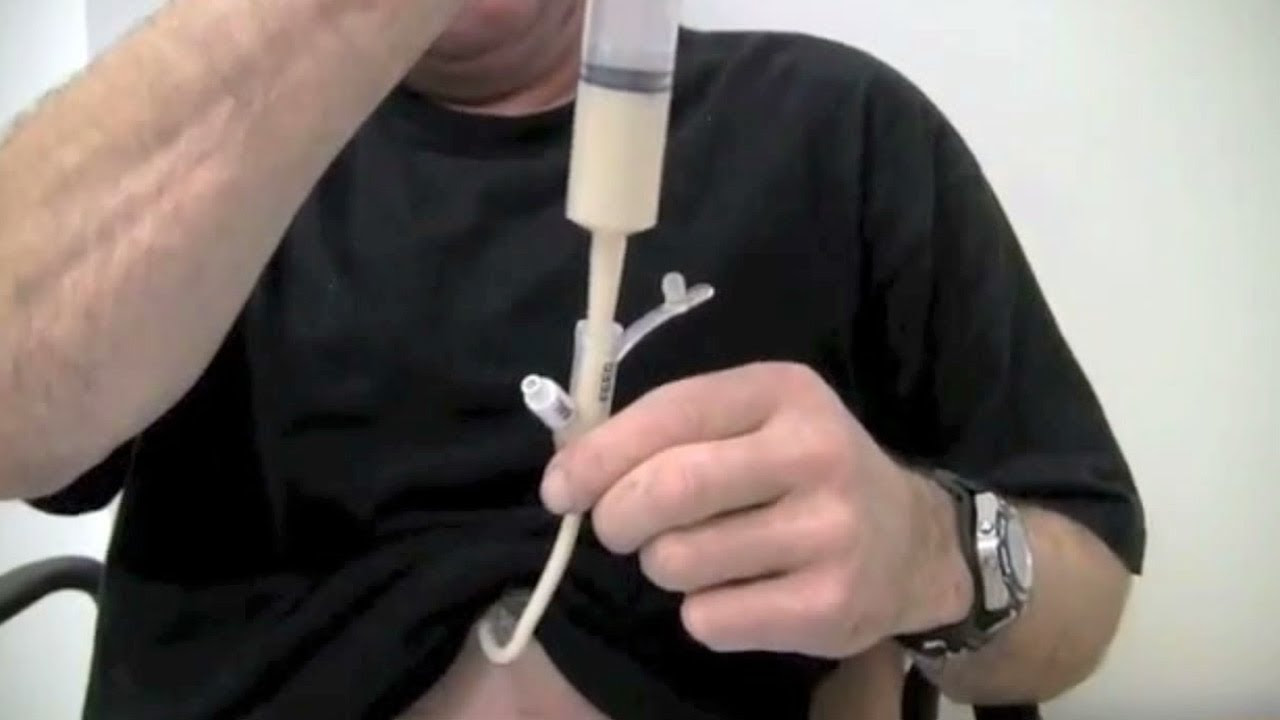
Percutaneous Endoscopic Gastrostomy (PEG) feeding refers especially to providing nutrients directly into the tummy making use of a tube put through an endoscopic treatment. It's typically picked when long-term nutritional assistance is necessary.
Components of Effective Enteral Nutrition
Nutritional Formulas Made use of in Enteral Feeding
Different solutions exist based on person needs:
- Standard formulas: For those with normal digestion. Hydrolyzed formulas: For clients with damaged food digestion or absorption.
It's essential to select a formula that matches each person's specific metabolic requirements.
Administration Methods
Enteral feeds can be administered by means of several techniques:
Bolus Feeding: Large quantities provided at once. Continuous Infusion: Slow administration over 24 hours. Intermittent Feeding: Routine intervals during daytime hours.Understanding these methods permits doctor to tailor approaches according to private client requires effectively.
Monitoring Individuals Receiving Enteral Nutrition
Assessing Nutritional Demands Regularly
Routine assessments assist make certain that each patient receives ample nourishment tailored to their developing requirements.
Identifying Difficulties Early
Vigilant tracking can aid protect against potential issues connected with enteral feeding such as:
- Tube blockage Infection at insertion sites Gastrointestinal discomfort
Regular evaluations facilitate timely interventions that enhance results significantly.
Psychosocial Aspects of Enteral Feeding
Addressing Client Worries concerning PEG Tubes
Patients may experience anxiety regarding their new nutritional routine or problems about their look as a result of visible tubes. Open interaction can relieve concerns while advertising adherence to therapy protocols.
Family Education and Support
Educating family members concerning enteral feeding improves home care top quality when people shift from health center settings back home.
Frequently Asked Inquiries (FAQs)
1. What prevail indications for using enteral feeding?
Common signs consist of neurological conditions influencing ingesting, cancer therapies causing anorexia, extreme head traumas, or any type of problem where oral intake isn't viable.
2. Exactly how does one recognize if a patient calls for PEG feeding?
Healthcare specialists assess ingesting capacities alongside dietary demands; if oral intake falls short continually with time, PEG may be indicated.
3. What kinds of formulas are utilized in enteral nutrition?
Formulas vary from conventional blends ideal for most people to specialized hydrolyzed options created for those with distinct gastrointestinal requirements.
4. Are there risks connected with enteral feeding?
Risks include infection at website insertion points, goal pneumonia from misplacement, or problems originating from inaccurate formula management methods.
5. Just how frequently must nutritional analyses occur?
Regular analyses certification in peg feeding need to happen weekly originally; changes might be made extra regularly if substantial modifications occur in health standing or weight changes happen rapidly thereafter.

6. What training do medical care experts require for providing PEG feeds?
Training needs to include makeup understanding pertaining to tube positioning & & management procedures along with examining mental influence on individuals receiving this type of nourishment therapy effectively.
Conclusion
In conclusion, recognizing "The Function of Enteral Feeding in Client Recovery" stays crucial within healthcare self-controls concentrated on offering optimum dietary care customized towards individual patient scenarios-- especially those entailing complex problems necessitating alternative paths like PEG tubes successfully handled by skilled specialists across several setups consisting of nursing duties & & helpful solutions alike!
By fostering understanding via structured courses such as ndis peg feeding training & & other pertinent programs targeted at enhancing caregiver competency levels enable much better end results ultimately profiting both clients' physical health while boosting their total quality-of-life experiences substantially gradually!
Investing time right into mastering these intricate information empowers specialized practitioners devoted toward alternative methods rooted firmly within evidence-based methods throughout all stages entailed-- consequently making sure no individual left behind no matter where they stand along their healing trip ahead!